
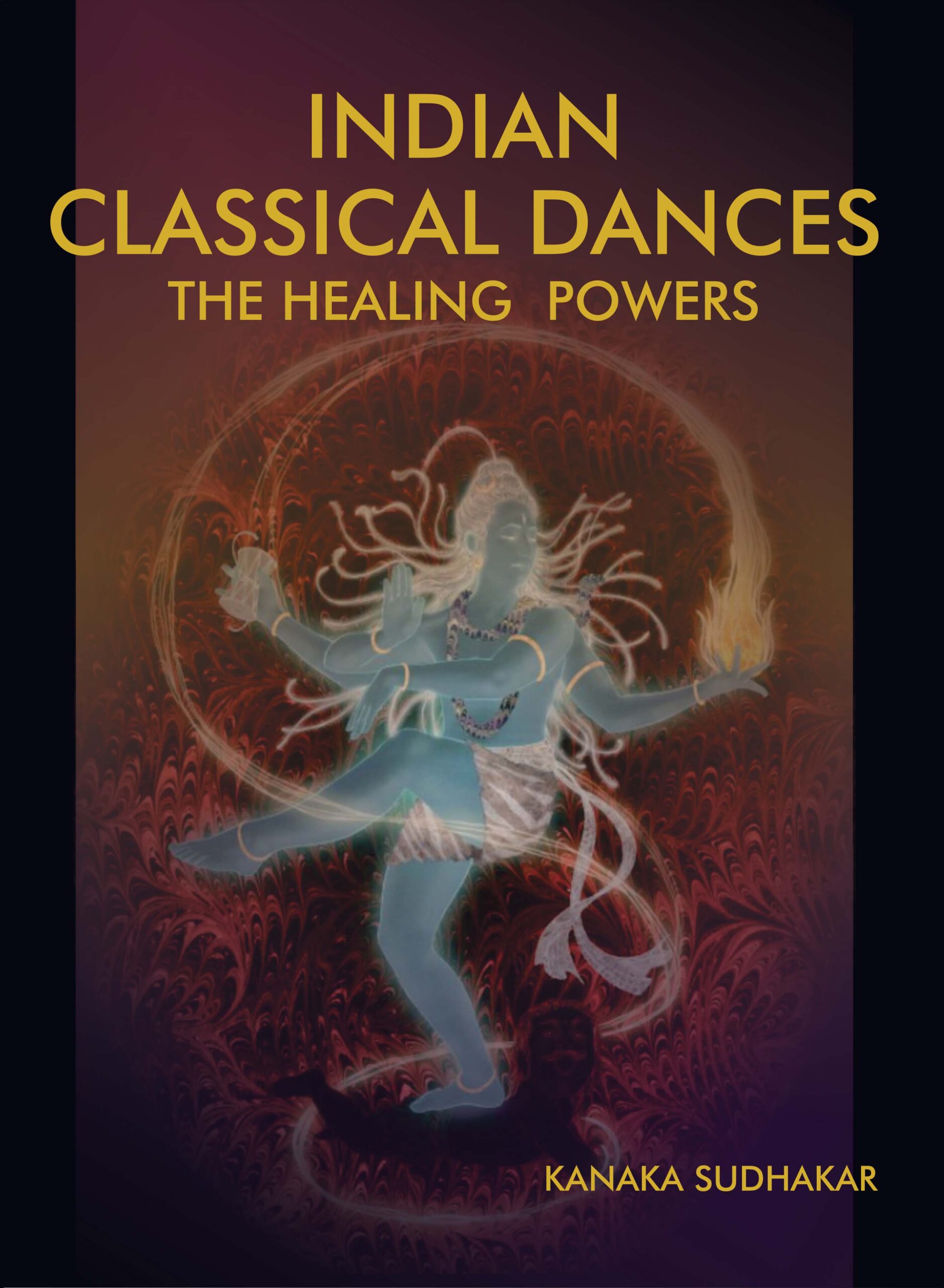
Indian Classical Dances: The Healing Powers
Original price was: ₹1,995.00.₹1,695.00Current price is: ₹1,695.00.
- Publisher : Shubhi Publications
- Language : English
- Hardcover : 172 pages
- ISBN-10 : 9394797543
- ISBN-13 : 9789394797543
- Reading age : 18 years and up
- Country of Origin : India
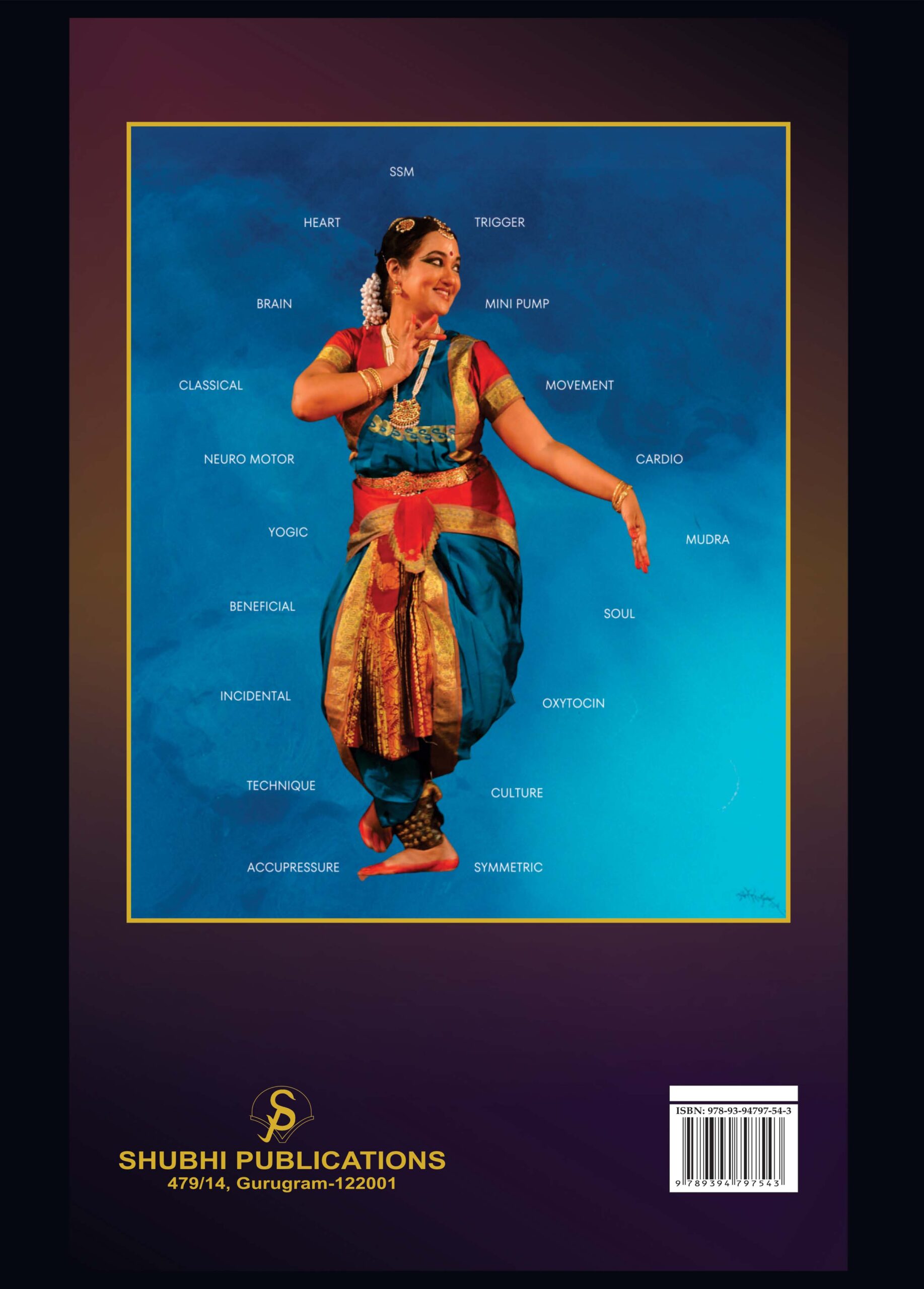
Indian Classical Dance is far more than an art form — it is a spiritual practice, a means of physical expression, and an ancient tool for healing. The book Indian Classical Dance: The Healing Powers delves deep into this transformative art, exploring its profound influence on mental, emotional, and physical well-being. Through the lens of Indian classical dance, the author invites readers to witness how these timeless traditions do much more than entertain; they heal, restore, and elevate individuals, communities, and cultures.
Understanding Indian Classical Dance: A Spiritual and Physical Art Form
At the heart of Indian classical dance lies its unique ability to connect the dancer’s body, mind, and spirit. Unlike many contemporary dance forms, classical dance in India is not simply a performance or a physical activity; it is a holistic experience that intertwines movement, music, expression, and spirituality. Indian classical dance includes various styles such as Bharatanatyam, Kathak, Odissi, Kuchipudi, Manipuri, and Mohiniyattam. Each of these forms has distinct movements, mudras (hand gestures), and expressions, but they all share common principles rooted in the ancient traditions of Hindu philosophy, mythology, and spirituality.
The book explores how these dance forms have been deeply intertwined with religious rituals, meditation, and the practice of yoga, which aim to achieve inner peace and a union between the individual and the divine. Indian classical dancers, over centuries, have recognized and utilized the power of movement as a form of therapy — one that transcends the physical and enters the emotional and spiritual dimensions of existence. Through rhythmic steps, fluid movements, intricate poses, and expressive facial gestures, these dances have been used to express devotion, tell stories from ancient scriptures, and even invoke healing energies.
The Healing Power of Movement: Mind-Body Connection
One of the most remarkable aspects of Indian classical dance is its impact on the dancer’s physical health. This dance form engages the entire body, requiring dancers to maintain flexibility, strength, balance, and posture. It is a rigorous physical discipline that demands precision, focus, and control. The book underscores how these movements align with the principles of yoga, where every asana (pose) has a specific purpose, both physically and energetically. Just as yoga practitioners work to balance the energy flow (prana) within the body through specific postures and breathing techniques, classical dancers do the same through their movements.
The graceful yet demanding movements of Indian classical dance are said to activate the chakras (energy centers) within the body, promoting the free flow of energy and the alignment of the physical, emotional, and mental states. This interaction between movement and energy can lead to a profound sense of vitality and well-being. The book highlights the mental health benefits of these practices, explaining how they help reduce stress, improve concentration, and promote mindfulness.
Dancing in a classical style requires deep focus, mindfulness, and attention to detail, which helps to distract the mind from daily worries and concerns, leading to improved mental clarity. The repetitive nature of many movements, along with the rhythmic patterns of the music, can induce a meditative state, helping dancers enter a state of flow where time seems to disappear. This mental release is one of the key aspects of the healing power of classical dance — it can offer an antidote to the stress and anxiety prevalent in today’s fast-paced world.
There is £4.99 charge for delivery under £50 Orders. Additional charges will be imposed by our couriers for delivery to remote area, a surcharge may be levied to cover carriage to these areas.

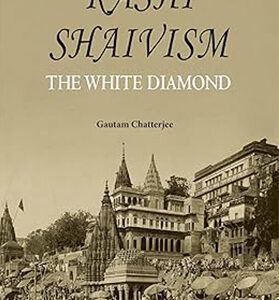
Kashi Shaivism : The White Diamond
Original price was: ₹1,295.00.₹1,165.00Current price is: ₹1,165.00.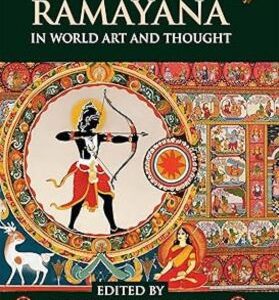
Ramayana in World Art and Thought
Original price was: ₹2,995.00.₹2,695.00Current price is: ₹2,695.00.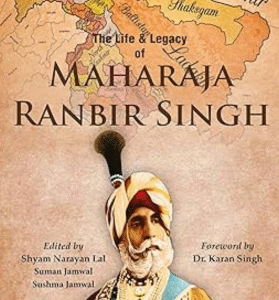
The Life & Legacy of Maharaja Ranbir Singh
Original price was: ₹1,995.00.₹1,795.00Current price is: ₹1,795.00.
Life & Legacy of Maharaja Hari Singh
Original price was: ₹1,495.00.₹1,350.00Current price is: ₹1,350.00.
 Indian Classical Dances: The H...
Original price was: ₹1,995.00.₹1,695.00Current price is: ₹1,695.00.
Reviews
There are no reviews yet.