

A Garo Jungle Book Or The Mission To Thegaros Of Assam
Original price was: ₹1,495.00.₹1,270.00Current price is: ₹1,270.00.
- Publisher : Shubhi Publications
- Author : Rev. William Carey
- Binding : Hardcover
- Edition : 2026
- Language : English
- ISBN-10 : 8182906482
- ISBN-13 : 978-8182906488
- Print length : 350 pages
- Item Weight : 700 g
- Dimensions : 24 x 16 x 3 cm
The Garos, one of the major tribes of Northeast India, have a deep relationship with forests, wildlife, and the natural world. Their traditional stories, beliefs, and customs are closely connected to the lush green hills and dense jungles of Garo Hills. The Jungle Book of the Garos can be understood as a collection of their rich forest-based folklore—tales that explain the origin of plants, the powers of animals, and the harmony between humans and nature. In Garo traditions, the forest is not just a physical space but a living, sacred world. Many folktales describe spirits who guard the trees, rivers, and mountains. These spirits, called mitde or misi, teach the importance of respecting nature. Hunters must follow strict rules before entering the forest. They seek permission from forest spirits and avoid killing animals during breeding seasons. Such customs helped preserve wildlife for generations. The stories often feature animals like the hornbill, python, wild boar, and bear, each symbolising strength, wisdom, or caution. Children learn moral lessons through these stories—courage, honesty, and responsibility. The tales also explain natural phenomena, such as why certain birds sing at dawn or how mountains and rivers came into existence. The Jungle Book of the Garos is not a single written book but an oral tradition, passed down from elders to children. These stories preserve the tribe’s ecological knowledge, cultural identity, and deep respect for nature. Today, they form an important part of India’s tribal heritage, reminding us of the ancient wisdom that teaches humans to live in balance with the forest.
There is £4.99 charge for delivery under £50 Orders. Additional charges will be imposed by our couriers for delivery to remote area, a surcharge may be levied to cover carriage to these areas.
| Weight | 1 kg |
|---|

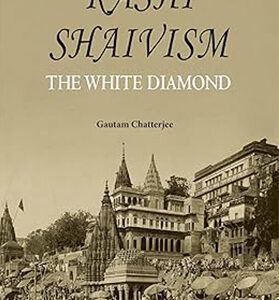
Kashi Shaivism : The White Diamond (Hardcover)
Original price was: ₹1,295.00.₹1,165.00Current price is: ₹1,165.00.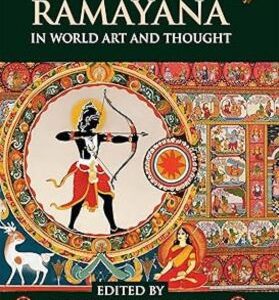
Ramayana in World Art and Thought
Original price was: ₹2,995.00.₹2,695.00Current price is: ₹2,695.00.
The Life & Legacy of Maharaja Ranbir Singh
Original price was: ₹1,995.00.₹1,795.00Current price is: ₹1,795.00.
Life & Legacy of Maharaja Hari Singh
Original price was: ₹1,495.00.₹1,350.00Current price is: ₹1,350.00.
 A Garo Jungle Book Or The Miss...
Original price was: ₹1,495.00.₹1,270.00Current price is: ₹1,270.00.
Reviews
There are no reviews yet.