
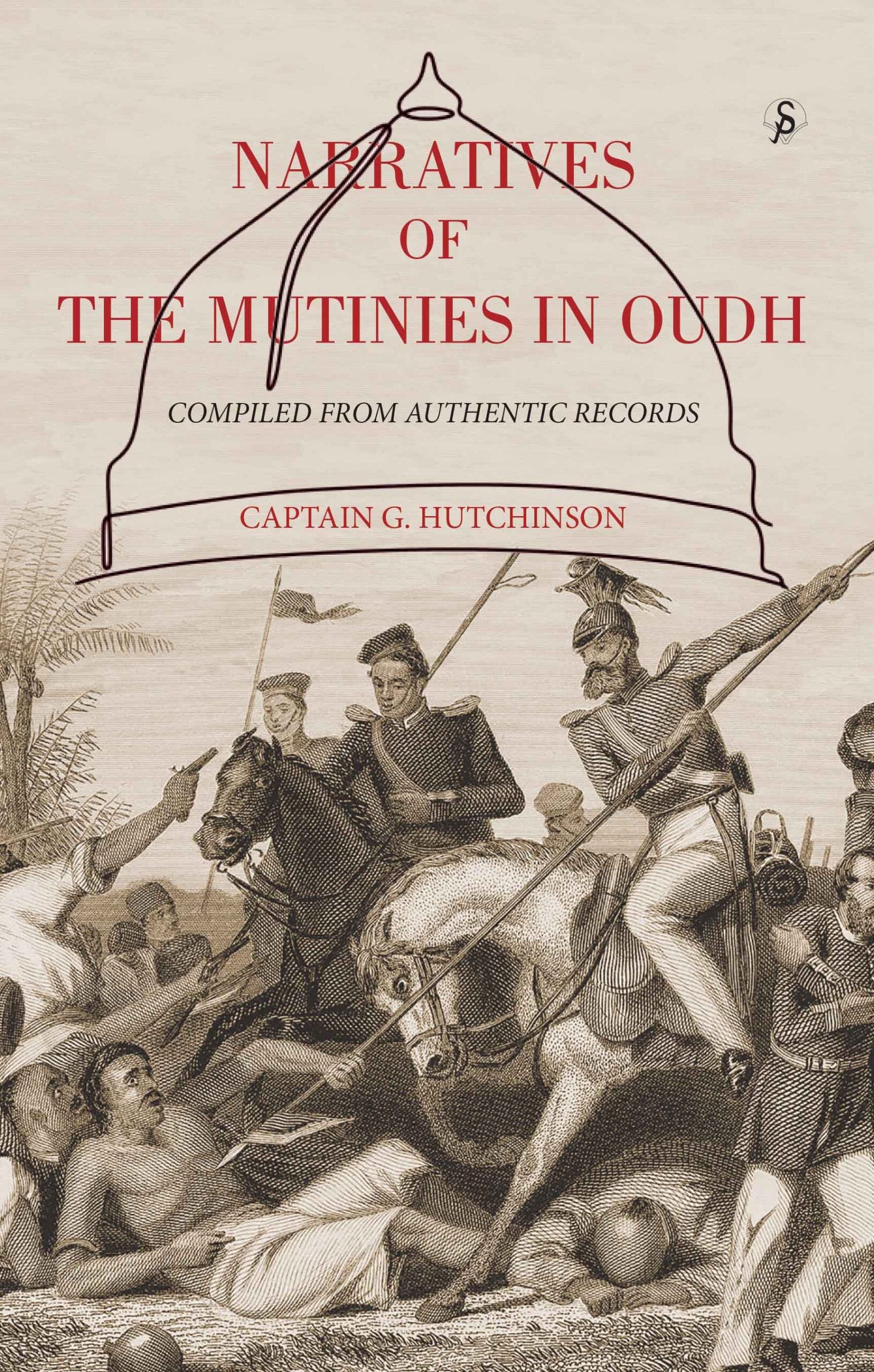
Narratives of the Mutinies in Oudh
Original price was: ₹995.00.₹895.00Current price is: ₹895.00.
- Publisher : Shubhi Publications
- Author : Captain G. Hutchinson
- Binding : Hardcover
- Edition : 2025
- Language : English
- ISBN-10 : 8182905990
- ISBN-13 : 978-8182905993
- Print length : 262 pages
- Item Weight : 500 g
- Dimensions : 23 x 15 x 2 cm
The narratives of the Mutiny of Oudh (1857–58) present a vivid and tragic picture of one of the most turbulent chapters in Indian history. Oudh (Awadh), annexed by the British in 1856 under the Doctrine of Lapse and charges of misgovernance, became a major centre of discontent. The dispossession of the Nawab, displacement of nobles, loss of traditional privileges, and harsh revenue policies deeply alienated soldiers, peasants, and landlords alike. When the great revolt of 1857 began, Oudh quickly turned into a theatre of fierce resistance. Sepoys from the Bengal army, joined by local taluqdars (landed chiefs), rallied to restore the Nawab’s dynasty and resist British dominance. The siege of Lucknow, with its dramatic episodes of defence and relief, became one of the most famous narratives of the uprising. Accounts by British officers, missionaries, and survivors often emphasized loyalty, suffering, and endurance, while Indian retellings highlighted bravery, sacrifice, and the fight for sovereignty. Thus, the narratives of the Mutiny in Oudh reveal two contrasting perspectives: for the British, a tale of endurance and imperial triumph; for Indians, a heroic yet tragic struggle for independence and lost honour.
There is £4.99 charge for delivery under £50 Orders. Additional charges will be imposed by our couriers for delivery to remote area, a surcharge may be levied to cover carriage to these areas.
| Weight | 1 kg |
|---|

Kashi Shaivism : The White Diamond (Hardcover)
Original price was: ₹1,295.00.₹1,165.00Current price is: ₹1,165.00.
Ramayana in World Art and Thought
Original price was: ₹2,995.00.₹2,695.00Current price is: ₹2,695.00.
The Life & Legacy of Maharaja Ranbir Singh
Original price was: ₹1,995.00.₹1,795.00Current price is: ₹1,795.00.
Life & Legacy of Maharaja Hari Singh
Original price was: ₹1,495.00.₹1,350.00Current price is: ₹1,350.00.
 Narratives of the Mutinies in ...
Original price was: ₹995.00.₹895.00Current price is: ₹895.00.
Reviews
There are no reviews yet.