
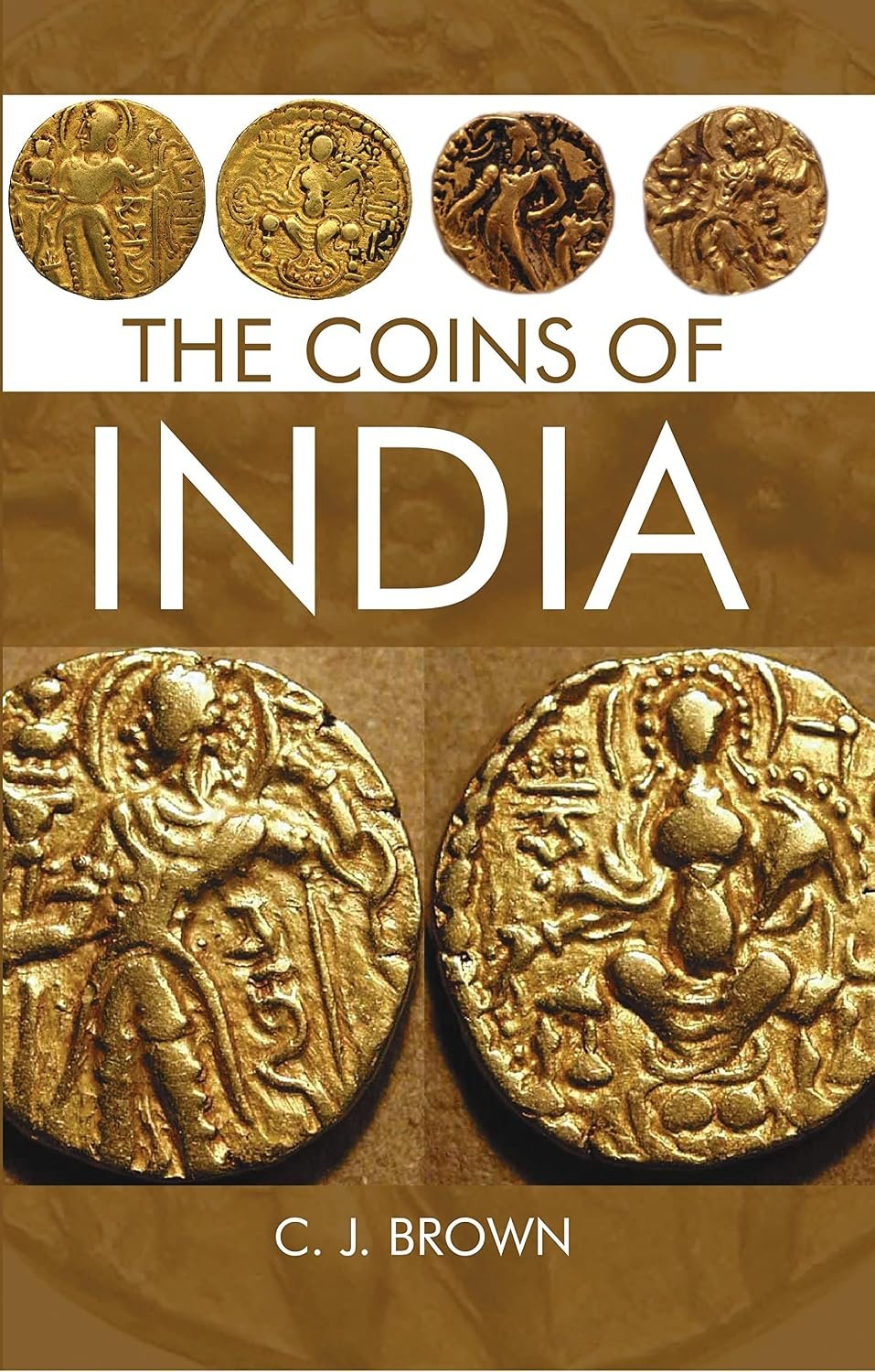

The Coins of India
Original price was: ₹1,195.00.₹995.00Current price is: ₹995.00.
- Publisher : Shubhi Publications
- Author : C. J. Brown
- Binding : Hardcover
- Edition : 2022
- Language : English
- ISBN-10 : 8182904471
- ISBN-13 : 978-8182904477
- Print length : 170 pages
- Item Weight : 400 g
- Dimensions : 23 x 15 x 2 cm
This little book has been written as an introduction to the study of the subject with which it deals, and is intended primarily for Indian readers. At the same time the writer trusts it may be of some service to students and collectors, in India and elsewhere, as giving a general conspectus of all the more important series of Indian coins. Two objects have been kept prominently in view: 1.to describe the evolution of the coinage itself, 2.to show its importance as a source of history, or as a commentary upon economic, social and political movements. In attempting this, certain limits have naturally imposed themselves. Coins purely foreign in fabric, as those of the Graeco-Bactrian kings, of the Portuguese, and of the various European trading companies, even when struck and current in India, have been rigidly excluded : this exclusion does not, however, extend to money issued by resident foreigners with the permission and in the style of Indian rulers. For a cognate reason the year 1857 has been fixed as the downward limit in this survey. Again, for the sake of simplicity, technical topics, such as weight-standards and metallurgy, have only been touched upon where discussion appeared unavoidable. The chief desire of the writer has been to arouse in Indians an interest in their country’s coinage, in the study of which so many fields of research lie as yet [S. 8] almost untouched. Although India has no coins to show comparable to the supreme artistic conceptions of the Sicilian Greeks, the study of her coinage, in addition to its exceptional importance as a source of history, is attended by peculiar advantages, not the least of which is the fact that materials for study lie, as it were, almost at one’s door. In nearly every Indian bazar, even the smallest, in the shops of the Sarrafs or money-changers, gold, silver and copper coins are to be had, sometimes in plenty, and can be bought cheaply, often at little more than the metal value.
There is £4.99 charge for delivery under £50 Orders. Additional charges will be imposed by our couriers for delivery to remote area, a surcharge may be levied to cover carriage to these areas.
| Weight | 0.5 kg |
|---|

Kashi Shaivism : The White Diamond (Hardcover)
Original price was: ₹1,295.00.₹1,165.00Current price is: ₹1,165.00.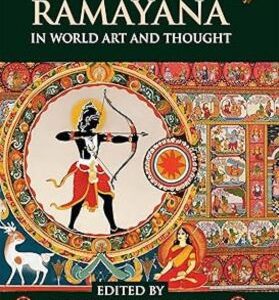
Ramayana in World Art and Thought
Original price was: ₹2,995.00.₹2,695.00Current price is: ₹2,695.00.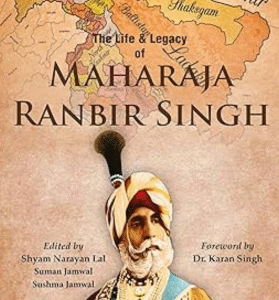
The Life & Legacy of Maharaja Ranbir Singh
Original price was: ₹1,995.00.₹1,795.00Current price is: ₹1,795.00.
Life & Legacy of Maharaja Hari Singh
Original price was: ₹1,495.00.₹1,350.00Current price is: ₹1,350.00.
 The Coins of India
Original price was: ₹1,195.00.₹995.00Current price is: ₹995.00.
Reviews
There are no reviews yet.