
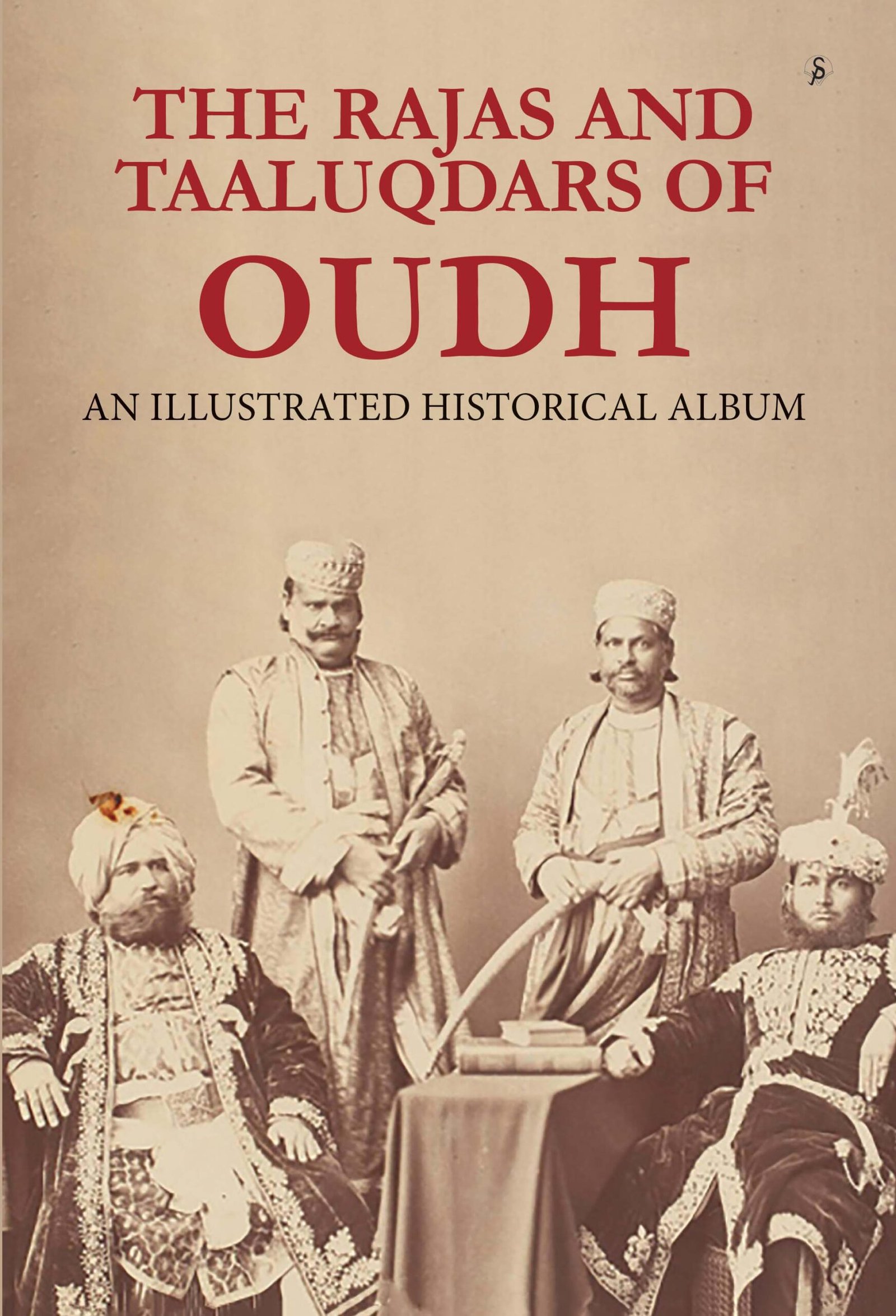
The Rajas and Taaluqdars of Oudh: An Illustrated Historical Album
Original price was: ₹1,495.00.₹1,270.00Current price is: ₹1,270.00.
- Publisher : Shubhi Publications
- Author : Darogah Abbas Ali
- Binding : Hardcover
- Edition : 2025
- Language : English
- ISBN-10 : 8182906075
- ISBN-13 : 978-8182906075
- Print length : 256 pages
- Item Weight : 600 g
- Dimensions : 25 x 16 x 2 cm
In the pre-colonial and colonial periods, Oudh (Awadh) was characterized by a powerful landed aristocracy. The Rajas were hereditary chiefs and local rulers who claimed descent from ancient royal lineages and exercised traditional authority over their estates. Alongside them stood the Taluqdars (large landholders), who held extensive estates known as talukas. They collected revenue, maintained armed retainers, and acted as intermediaries between the peasants and the ruling power. Under the Nawabs of Oudh, the taluqdars consolidated their position by controlling land, peasantry, and local administration. After the annexation of Oudh by the British in 1856, many taluqdars were initially dispossessed, which fueled discontent and contributed to the Revolt of 1857, where they became important leaders and supporters of the uprising. Post-revolt, the British pragmatically restored much of their authority to secure loyalty, allowing them to remain central figures in rural society. The Rajas and taluqdars thus embodied both traditional legitimacy and colonial adaptation—they were symbols of aristocratic prestige, but also instruments of political control, shaping the agrarian and social history of Oudh well into the 20th century.
There is £4.99 charge for delivery under £50 Orders. Additional charges will be imposed by our couriers for delivery to remote area, a surcharge may be levied to cover carriage to these areas.
| Weight | 1 kg |
|---|

Kashi Shaivism : The White Diamond (Hardcover)
Original price was: ₹1,295.00.₹1,165.00Current price is: ₹1,165.00.
Ramayana in World Art and Thought
Original price was: ₹2,995.00.₹2,695.00Current price is: ₹2,695.00.
The Life & Legacy of Maharaja Ranbir Singh
Original price was: ₹1,995.00.₹1,795.00Current price is: ₹1,795.00.
Life & Legacy of Maharaja Hari Singh
Original price was: ₹1,495.00.₹1,350.00Current price is: ₹1,350.00.
 The Rajas and Taaluqdars of Ou...
Original price was: ₹1,495.00.₹1,270.00Current price is: ₹1,270.00.
Reviews
There are no reviews yet.