
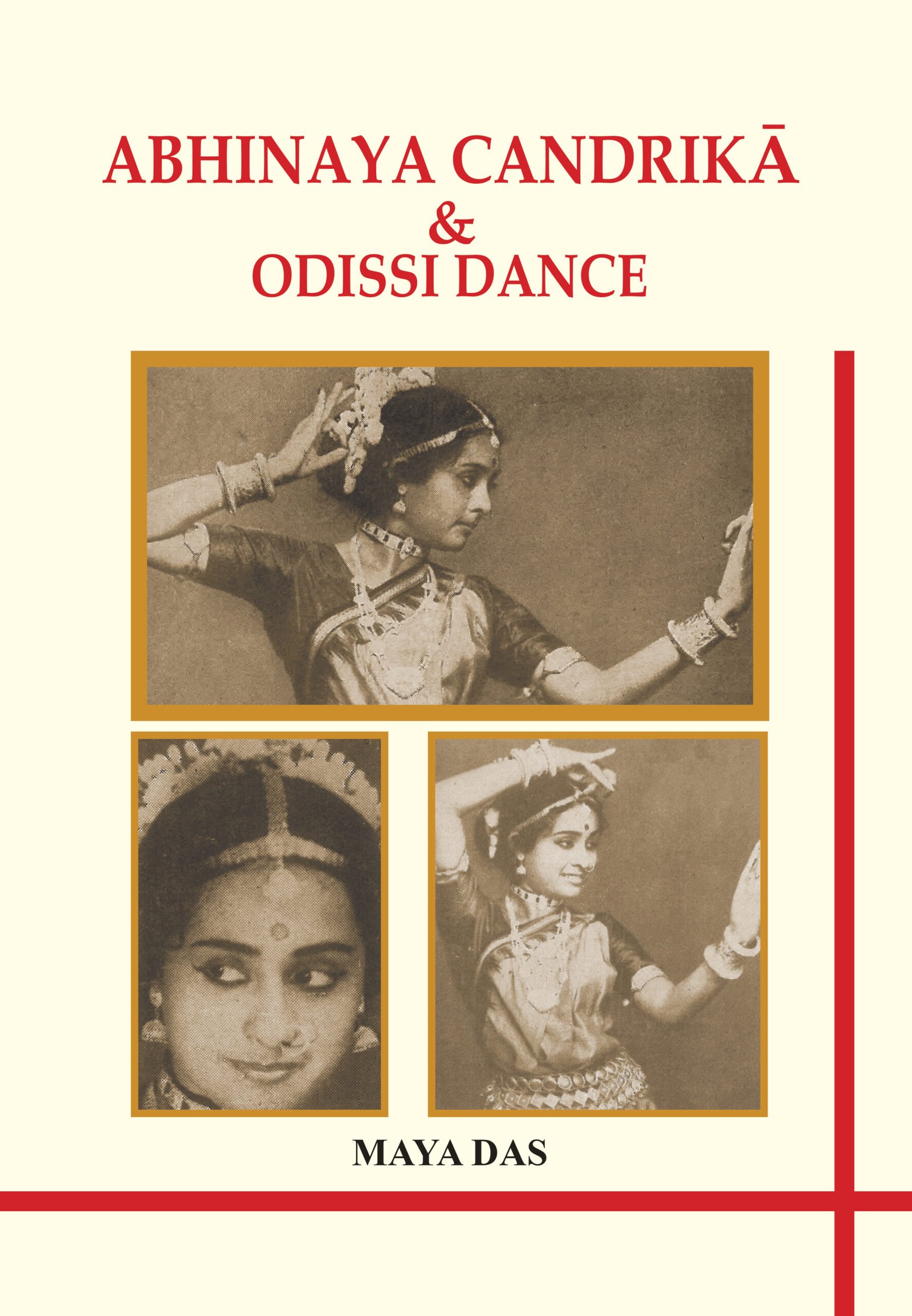



ABHINAYA CANDRIKĀ & ODISSI DANCE (Hardcover)
Original price was: ₹1,995.00.₹1,695.00Current price is: ₹1,695.00.
- Publisher : Shubhi Publications
- Publication date : 21 April 2026
- Language : English
- Print length : 140 pages
- ISBN-10 : 8182906350
- ISBN-13 : 978-8182906358
- Item Weight : 1 kg 150 g
- Dimensions : 29 x 22 x 2 cm
- Country of Origin : India
- Packer : Shubhi Publications
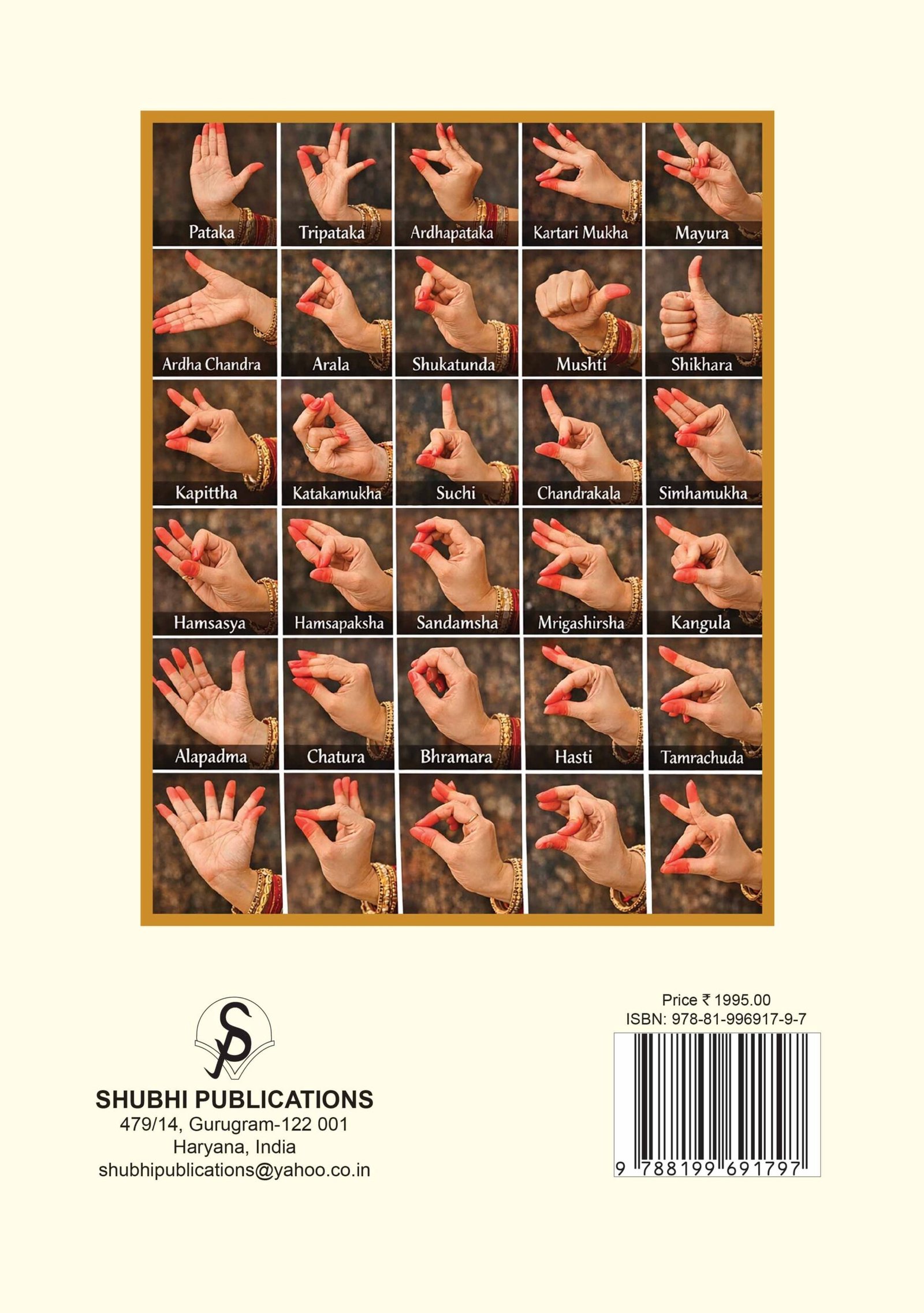
Abhinaya Candrika is one of the most significant classical treatises on Odissi dance, composed by Maheshwar Mahapatra in the 15th century. Written in Sanskrit, it provides a detailed description of abhinaya—the art of expression—and serves as a foundational text for understanding the aesthetics and grammar of Odissi. The text outlines various aspects of angika abhinaya (physical expression), mukhaja abhinaya (facial expressions), and hasta mudras (hand gestures), linking each to emotional and spiritual meanings. Odissi, one of India’s eight classical dance forms, evolved in the temples of Odisha as an offering to Lord Jagannath. It is distinguished by its graceful curves, tribhangi posture, and lyrical movements that mirror the sculptures found on temple walls. Abhinaya Candrika plays a crucial role in connecting the devotional roots of Odissi with its technical and expressive vocabulary. The text preserves ancient traditions while guiding modern practitioners in maintaining authenticity. Through it, Odissi dancers learn not only the physical technique but also the spiritual depth of performance—transforming movement into a sacred dialogue between the dancer, the deity, and the audience. Thus, Abhinaya Candrika remains a timeless cornerstone of Odissi’s expressive heritage.
There is £4.99 charge for delivery under £50 Orders. Additional charges will be imposed by our couriers for delivery to remote area, a surcharge may be levied to cover carriage to these areas.

Kashi Shaivism : The White Diamond (Hardcover)
Original price was: ₹1,295.00.₹1,165.00Current price is: ₹1,165.00.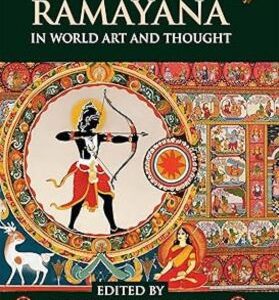
Ramayana in World Art and Thought
Original price was: ₹2,995.00.₹2,695.00Current price is: ₹2,695.00.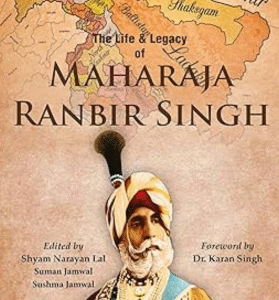
The Life & Legacy of Maharaja Ranbir Singh
Original price was: ₹1,995.00.₹1,795.00Current price is: ₹1,795.00.
Life & Legacy of Maharaja Hari Singh
Original price was: ₹1,495.00.₹1,350.00Current price is: ₹1,350.00.
 ABHINAYA CANDRIKĀ & ODISS...
Original price was: ₹1,995.00.₹1,695.00Current price is: ₹1,695.00.
Reviews
There are no reviews yet.