
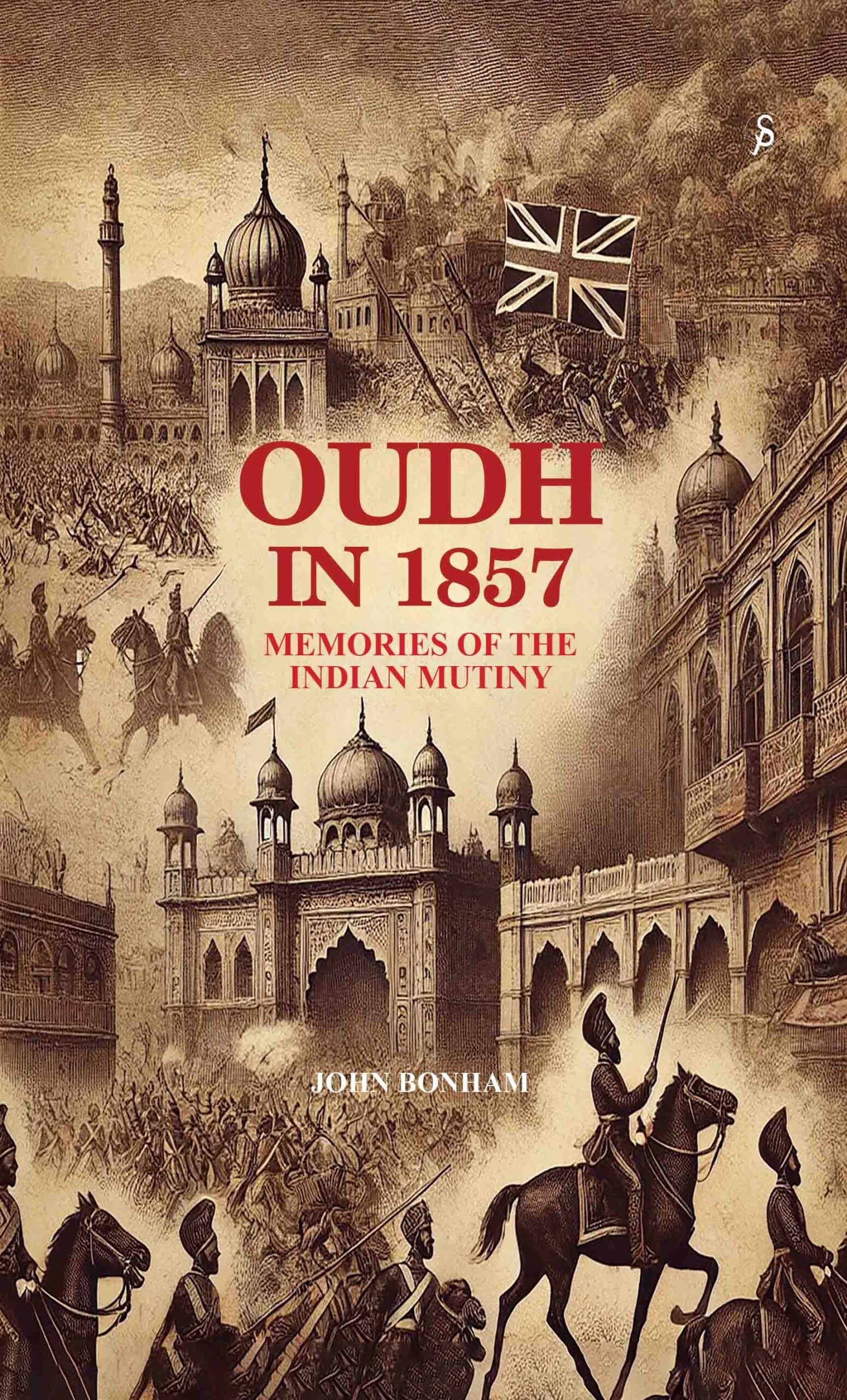
Oudh In 1857 : Memories of The Indian Mutiny
Original price was: ₹595.00.₹545.00Current price is: ₹545.00.
- Publisher : Shubhi Publications
- Author : John Bonham
- Binding : Hardcover
- Edition : 2025
- Language : English
- ISBN-10 : 8182905060
- ISBN-13 : 978-8182905061
- Print length : 108 pages
- Item Weight : 350 g
- Dimensions : 22 x 15 x 1.5 cm
Oudh in 1857 was a center of resistance during the Indian Rebellion, having been annexed by the British East India Company in 1856. The deposed Nawab Wajid Ali Shah was exiled to Calcutta, sparking resentment among the local population, including the nobility and sepoys. The region’s taluqdars (landlords), who had lost privileges under British rule, played a crucial role in mobilizing armed resistance. Lucknow, the capital of Oudh, became a major battleground, witnessing a prolonged siege at the British Residency. Rebel forces, led by Begum Hazrat Mahal, the Nawab’s wife, and other leaders, actively opposed British rule. The rebellion in Oudh was marked by intense guerrilla warfare, with local support bolstering the resistance. British suppression was brutal, with Sir Colin Campbell leading recapture efforts, including the second relief of Lucknow. Widespread destruction and reprisals followed, with entire villages razed and rebels executed en masse. Oudh’s rebellion underscored the broader discontent with British policies, especially land revenue changes and disrespect for Indian rulers. After the revolt, Oudh was directly incorporated into British India, ending its status as a princely state.
There is £4.99 charge for delivery under £50 Orders. Additional charges will be imposed by our couriers for delivery to remote area, a surcharge may be levied to cover carriage to these areas.
| Weight | 0.5 kg |
|---|

Kashi Shaivism : The White Diamond (Hardcover)
Original price was: ₹1,295.00.₹1,165.00Current price is: ₹1,165.00.
Ramayana in World Art and Thought
Original price was: ₹2,995.00.₹2,695.00Current price is: ₹2,695.00.
The Life & Legacy of Maharaja Ranbir Singh
Original price was: ₹1,995.00.₹1,795.00Current price is: ₹1,795.00.
Life & Legacy of Maharaja Hari Singh
Original price was: ₹1,495.00.₹1,350.00Current price is: ₹1,350.00.
 Oudh In 1857 : Memories of The...
Original price was: ₹595.00.₹545.00Current price is: ₹545.00.
Reviews
There are no reviews yet.