


TRIBAL INDIA: History, struggles & future by Mandira Ghosh (Author) Format: Hardcover
Original price was: ₹995.00.₹895.00Current price is: ₹895.00.
- Publisher : Shubhi Publications
- Publication date : 16 June 2026
- Language : English
- Print length : 186 pages
- ISBN-10 : 8182906911
- ISBN-13 : 978-8182906914
- Reading age : 18 years and up
- Item Weight : 500 g
- Dimensions : 22 x 15 x 2 cm
- Country of Origin : India
- Packer : Shubhi Publications
India is home to a rich diversity of tribal communities, often referred to as Adivasis, meaning the original inhabitants of the land. Spread across forests, hills, and remote regions, tribal societies have preserved ancient traditions, languages, music, art, and ecological wisdom for centuries. Their history is deeply connected with nature, community living, and spiritual beliefs rooted in the environment. From the Jharkhand forests to the hills of Nagaland and the tribal belts of Madhya Pradesh, tribal cultures form an essential part of India’s civilizational heritage. Despite their rich cultural contributions, tribal communities have faced long struggles. During colonial rule, many tribes resisted British exploitation, land alienation, and forest laws. Leaders such as Birsa Munda became symbols of resistance and dignity. In modern times, displacement due to mining, industrialization, and deforestation has continued to challenge tribal livelihoods. Poverty, limited education, healthcare inequalities, and cultural marginalization remain serious concerns. Yet the future of Tribal India holds promise. Greater awareness of indigenous rights, constitutional protections, and efforts toward inclusive development are creating new opportunities. Tribal literature, art, education, and political representation are gaining recognition nationally and globally. The preservation of tribal identity alongside sustainable development can help build a more culturally balanced and environmentally conscious future for India.
There is £4.99 charge for delivery under £50 Orders. Additional charges will be imposed by our couriers for delivery to remote area, a surcharge may be levied to cover carriage to these areas.

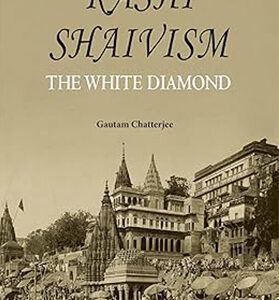
Kashi Shaivism : The White Diamond (Hardcover)
Original price was: ₹1,295.00.₹1,165.00Current price is: ₹1,165.00.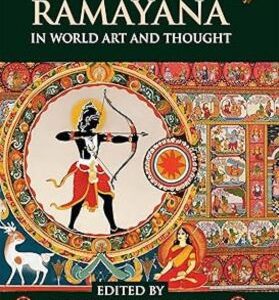
Ramayana in World Art and Thought
Original price was: ₹2,995.00.₹2,695.00Current price is: ₹2,695.00.
The Life & Legacy of Maharaja Ranbir Singh
Original price was: ₹1,995.00.₹1,795.00Current price is: ₹1,795.00.
Life & Legacy of Maharaja Hari Singh
Original price was: ₹1,495.00.₹1,350.00Current price is: ₹1,350.00.
 TRIBAL INDIA: History, struggl...
Original price was: ₹995.00.₹895.00Current price is: ₹895.00.
Reviews
There are no reviews yet.