



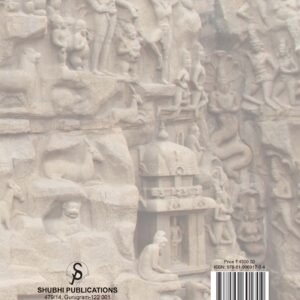
WHISPERS OF THE GANGA – BIHAR: CRADLE OF CIVILISATION AND ENLIGHTENMENT by Sarla Bhirud (Author) Format: Hardcover
Original price was: ₹4,500.00.₹3,995.00Current price is: ₹3,995.00.
- Publisher : Shubhi Publications
- Publication date : 24 June 2026
- Language : English
- Print length : 408 pages
- ISBN-10 : 8199691700
- ISBN-13 : 978-8199691704
- Reading age : 18 years and up
- Item Weight : 1 kg 600 g
- Dimensions : 30 x 23 x 4 cm
- Country of Origin : India
- Packer : Shubhi Publications
Bihar is one of those regions where history does not sit quietly in books—it lives in the landscape. The rivers, ruins, bricks, and caves all carry memories of human effort, belief, and imagination stretching back thousands of years. Whispers of the Ganga: Bihar – Cradle of Civilisation and Enlightenment is an attempt to bring together these memories and present Bihar as it truly is: a land that shaped the course of Indian history and influenced the wider world. From the earliest prehistoric settlements along the Gangetic plains to the organised life of early farming communities, Bihar shows a continuous story of human development. Sites such as Chirand reveal how people adapted to their environment, while archaeological remains at Vaishali and Rajgir speak of early urban planning and political organisation. Long before imperial power took shape, Bihar was already a centre of social, economic, and cultural activity. The rise of Magadha marked a turning point in Indian history. Powerful rulers, fortified cities, and new political ideas emerged from this region. Bihar also became a meeting ground of ideas, where different paths of thought developed side by side. The teachings of the Buddha and Mahavira, the lesser-known yet significant Ājīvika tradition, and later the moral vision of Emperor Ashoka all took form on this soil. Their influence extended far beyond Bihar, shaping religious and ethical thought across Asia. The Mauryan period stands as one of Bihar’s most remarkable chapters. Remains at Pataliputra, Kumhrar, Agam Kuan, and the finely polished Barabar caves reflect both administrative strength and artistic refinement. Ashoka’s pillars and edicts reveal a ruler concerned not only with power but with responsibility and compassion. Together, these monuments offer a clear picture of a society that valued order, learning, and moral conduct. This long tradition of learning reached its height at Nalanda University, a place that drew students and scholars from distant lands. Nalanda was not merely an institution but a symbol of Bihar’s enduring commitment to knowledge and debate. The seals, ruins, and records associated with it remind us of a time when Bihar stood at the centre of the intellectual world. Based on careful research by Sarla Bhirud, this book brings together archaeology, history, art, and religious traditions to trace Bihar’s journey from prehistory to the early medieval period. Rather than presenting isolated facts, it aims to show continuity—how each period grew from what came before. Like the Ganga itself, Bihar’s story flows through time, quiet yet powerful, leaving a lasting mark on civilisation.
There is £4.99 charge for delivery under £50 Orders. Additional charges will be imposed by our couriers for delivery to remote area, a surcharge may be levied to cover carriage to these areas.

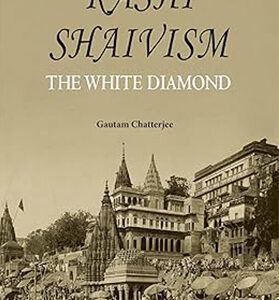
Kashi Shaivism : The White Diamond (Hardcover)
Original price was: ₹1,295.00.₹1,165.00Current price is: ₹1,165.00.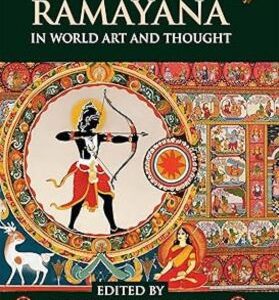
Ramayana in World Art and Thought
Original price was: ₹2,995.00.₹2,695.00Current price is: ₹2,695.00.
The Life & Legacy of Maharaja Ranbir Singh
Original price was: ₹1,995.00.₹1,795.00Current price is: ₹1,795.00.
Life & Legacy of Maharaja Hari Singh
Original price was: ₹1,495.00.₹1,350.00Current price is: ₹1,350.00.
 WHISPERS OF THE GANGA – ...
Original price was: ₹4,500.00.₹3,995.00Current price is: ₹3,995.00.
Reviews
There are no reviews yet.